


Resources
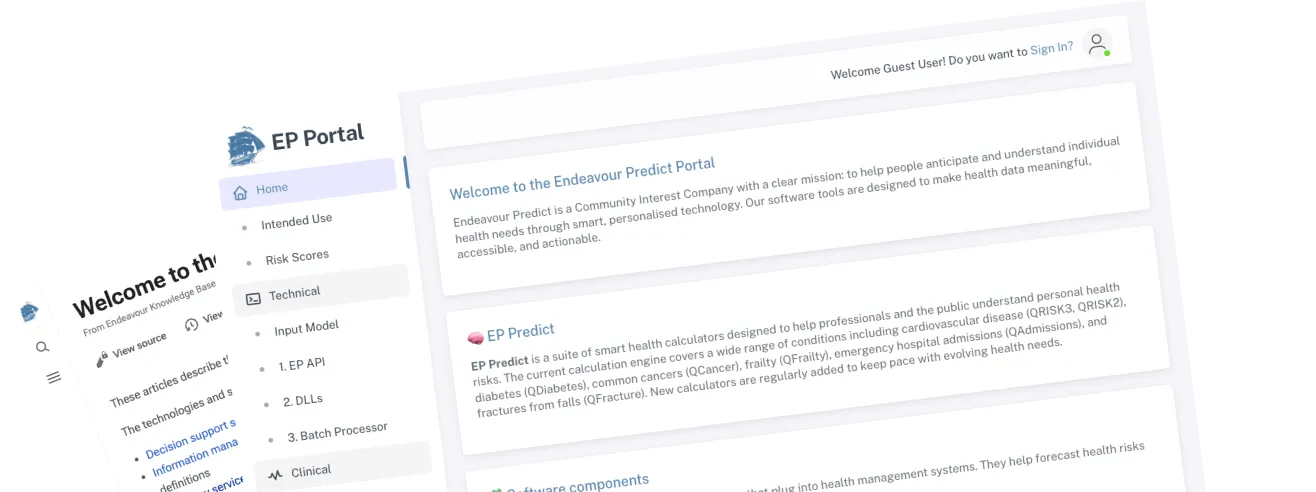
Access our self-service portal to find tools, documentation, calculators, and everything else you need to get the most out of our services.
Self Service PortalAn address-matching algorithm developed with Queen Mary University of London that links patient health records to geospatial data, enabling researchers to explore the impact of social and environmental factors on health.
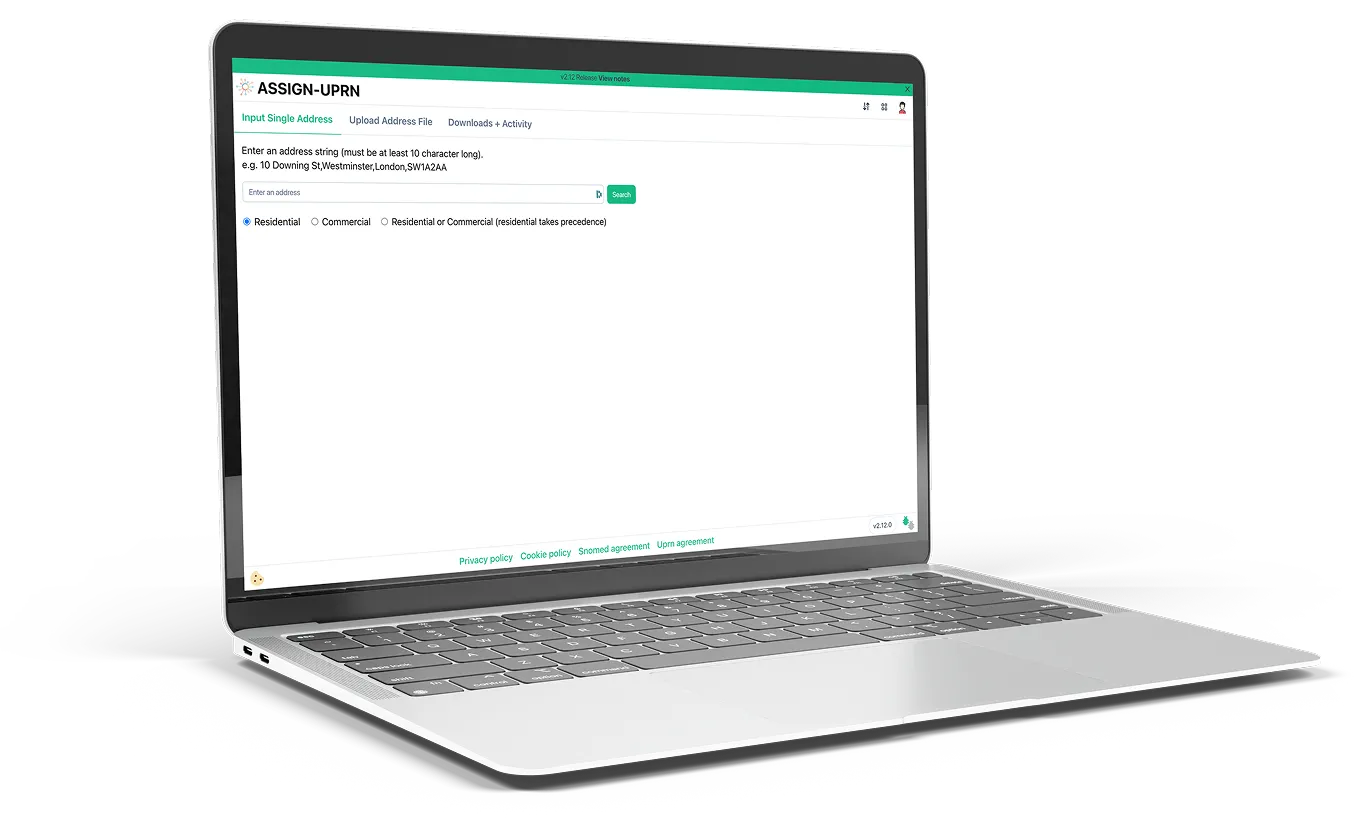
In partnership with researchers at Queen Mary University of London’s Clinical Effectiveness Group, Endeavour Health has developed an address-matching algorithm to link patient health records to geospatial information.
Linking people to places can help researchers understand how health is impacted by social and environmental factors, like the characteristics of a household, green space or air pollution. But patient addresses are entered into NHS records as free text so the same address can be written in different ways, making data linkage very difficult.
The algorithm, known as ASSIGN (AddreSS MatchInG to Unique Property Reference Numbers), allocates a Unique Property Reference Number (UPRN) to patient records. Every property in the UK already has a UPRN. They are allocated by local authorities and made nationally available by Ordnance Survey. A UPRN gives every address a standardised format, enabling pseudonymised linkage to other sources of data.
ASSIGN compares addresses in the NHS and social care records with the Ordnance Survey’s Address Base Premium UPRN database, one element at a time, and decides whether there is a match. The algorithm mirrors human pattern recognition, so it allows for certain character swaps, spelling mistakes and abbreviations. After rigorous testing and adjustments, ASSIGN correctly matches 98.6% of patient addresses at 38,000 records per minute. It also includes patients’ past addresses, making it possible to study addresses across the life span.
How the health of household members impacts childhood obesity.
Whether overcrowded or multi-generational households are at greater risk from Covid-19.
How to support GPs to identify people living in care homes so they can provide more effective care.
As ASSIGN is open-source, it is hoped the algorithm will also be used by other researchers to link data, inform policy and improve population health across England.
Access our self-service portal to find tools, documentation, calculators, and everything else you need to get the most out of our services.
Self Service Portal

ASSIGN UPRN is a web application, a set of hosted APIs, and a deployable server that enable matching of user entered addresses to the addresses maintained by GeoPlace using the highly acclaimed Ordnance Survey Address Base Premium database.
It was developed from a collaboration between Endeavour Health Charitable Trust and the Clinical Effectiveness Unit of Queen Mary University London and has been used to match tens of millions of addresses in London and Scotland.
Once an address is matched a UPRN is provided together with information about the property classification and the address matching quality. The matching process consists of a huge set of human mediated rules designed to recognise most of the tens of thousands of variations in user entered address formats.
Unlike nearly all other matching algorithms the software is open-source and the approach has been assessed, analysed, and published in the Journal of Population Data Science.
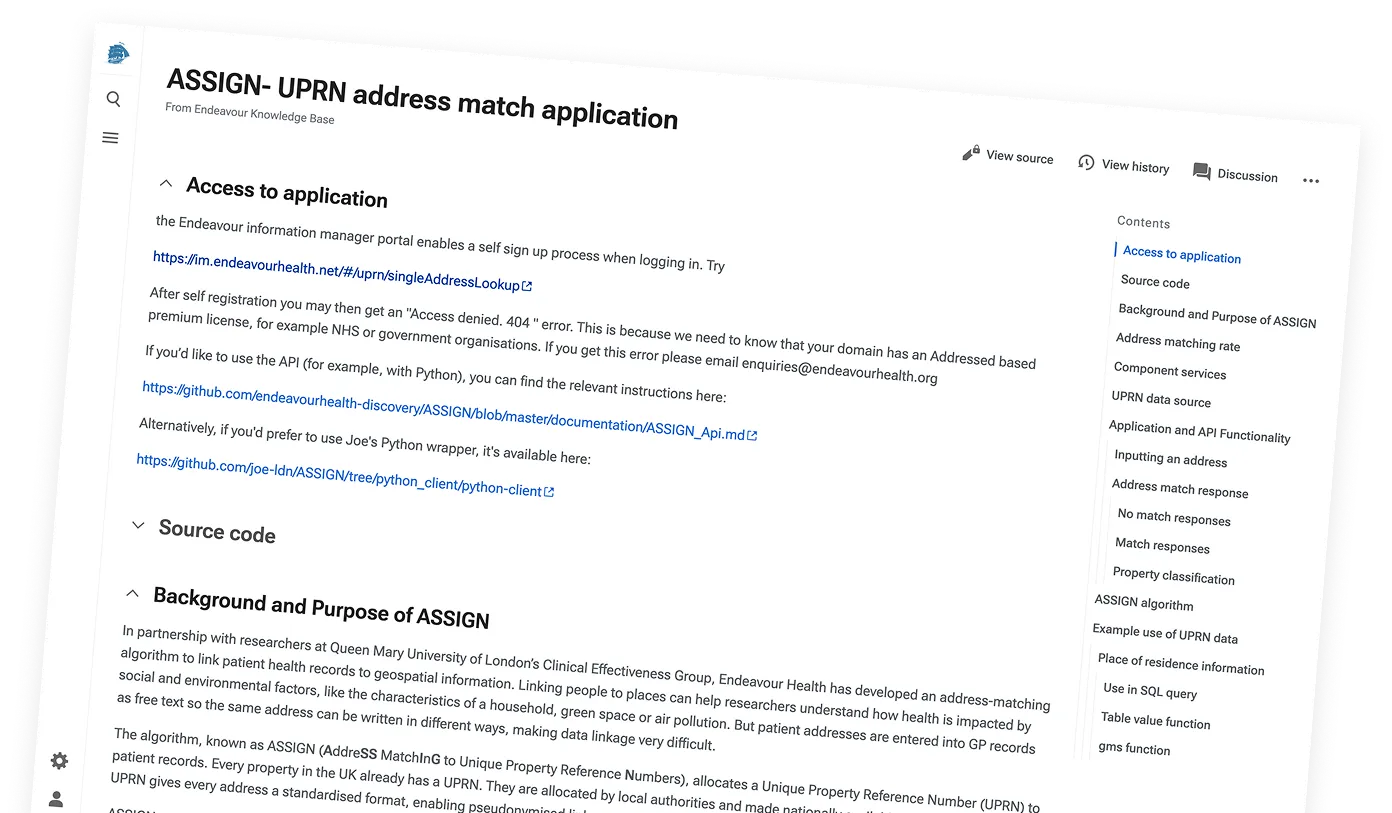
For more information on ASSIGN visit the wiki at https://wiki.endeavourhealth.org/index.php?title=ASSIGN-_UPRN_address_match_application